



Read more


Why Shouldn't You Push Your Bike Directly Into a Warm House After Riding in Winter
We’ve all been there: after a chilly winter ride, all you want is to get yourself—and your bike—inside where it’s warm and dry. It feels like the right thing to do, a way to protect your bike from the harsh outdoor elements. But here’s the surprising truth: rolling your ice-cold bike directly into your cozy living space could be doing it more harm than good.
The hidden culprit isn’t the cold itself, but a simple, sneaky process of physics: condensation.
The Science of the Sudden Sweat: What is Condensation?
Imagine taking a cold drink out of the refrigerator on a humid summer day. Almost instantly, droplets of water form on the outside of the glass. This is condensation in action.
Here’s what happens on a molecular level:
1. Your bike, after a winter ride, is cold—often at or below freezing.
2. The air inside your home is warm and contains invisible water vapor (from cooking, showers, breathing, etc.).
3. When this warm, moist air comes into contact with the cold surface of your bike, the air is rapidly cooled.
4. Cold air can’t hold as much moisture. The excess water vapor is forced to change from a gas to a liquid, forming tiny water droplets on every cold surface it touches.
The result? Your bike doesn’t just look wet; it becomes thoroughly damp in a matter of minutes.
Why is This “Indoor Dew” a Problem for Your Bike?
This isn’t just surface moisture. This water will seek out and seep into the smallest of spaces, posing two major risks:
1. The Electrical System: A Short Circuit Waiting to Happen
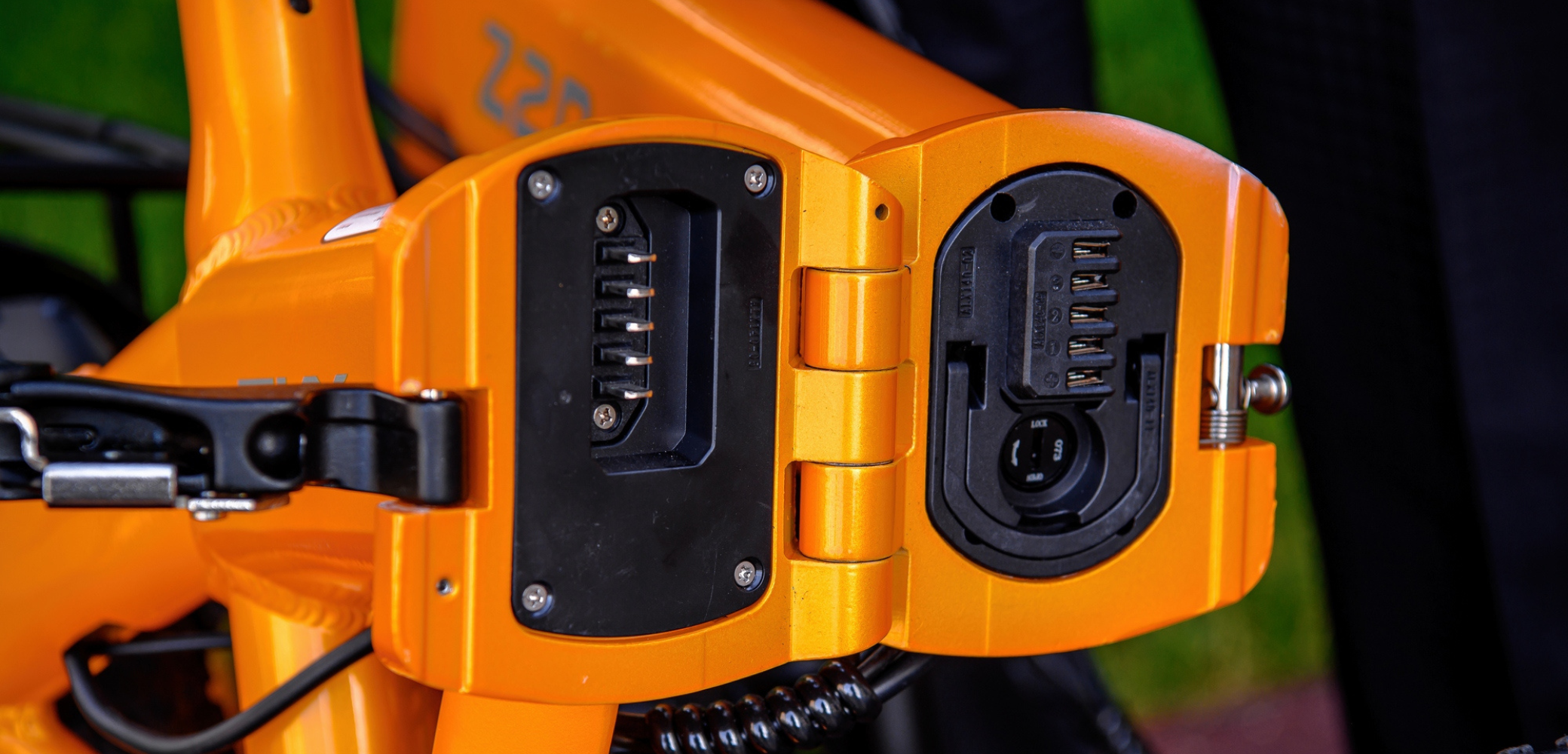
Modern bikes, especially e-bikes, are packed with electronics: the display, wiring harness, motor connectors, and battery contacts. While these are often water-resistant against rain from the outside, condensation forms everywhere—including inside connectors and on circuit boards. This creates a prime environment for corrosion over time and raises the risk of a short circuit, which can lead to expensive failures.
2. Bearings and Metal Components: The Rust Accelerator
Water droplets will form on your chain, inside the brake calipers, on derailleur pivots, and even work their way into wheel and bottom bracket bearings. This moisture, combined with the oxygen in the air, triggers oxidation—rust. A rusty chain wears out faster. Rust in bearings creates grinding and failure. Corrosion on brake posts or bolts can make future maintenance difficult or dangerous.

The Simple, Smart Solution: Create a “Transition Zone”
You don’t have to leave your bike outside in a snowstorm. The key is to allow it to warm up gradually so condensation doesn’t form, or forms minimally and can evaporate safely.
Your Action Plan:
1. Wipe Down First: Before you even go inside, use a dry towel to wipe off any surface snow, slush, or road salt. This removes a major source of moisture.
2. Use a Buffer Space: This is the most effective step. Park your bike in a garage, enclosed porch, building hallway, or a sheltered balcony for 30-60 minutes. This unheated (or less heated) space allows the bike’s temperature to climb closer to the indoor temperature slowly, minimizing drastic condensation.
3. If You Must Bring It Straight In: Place it on a large, absorbent mat or old towels. Let it sit and “sweat” for an hour, then use a dry cloth to thoroughly wipe down the entire bike, paying special attention to the chain, any exposed metal, and around electronic displays. Leave it in a well-ventilated area.
4. Follow-Up Care: After the bike has fully acclimated to room temperature, it’s an excellent time for light maintenance. Applying a light lubricant to the chain (after it’s warm and dry) will displace any residual moisture and protect it.
A Small Habit for a Longer Bike Life
Think of this transition period not as an extra chore, but as a form of preventive medicine for your bike. By taking just an extra 30 minutes to let your bike adjust, you’re protecting sensitive electronics from water damage and metal components from premature rust. It’s a simple, no-cost habit that will keep your ride running smoothly, reliably, and safely for seasons to come.